A Taste of The Old Fashioned

The Old Fashioned

My wife and I went to The Old Fashioned (“Inspired by the traditions of Wisconsin taverns and supper clubs”) for a late dinner (if you can call our meal at near-midnight dinner) the other night.  The restaurant is located on the capitol square in Madison, Wisconsin.  We were quickly seated at a nearby table of our choice.  The space was comfortable, and allowed us enough room amid the other customers.  The music was a touch loud, but not unexpected for that time of night.  I sampled the brew of the month, and was happily surprised with a second glass free for their double bubble special.  It was an excellent beer to pair with my meal.  I was torn between the mac and cheese (which I’ve heard is delicious) and the No. 36 – beer battered walleye sandwich, which was my eventual selection.  I also upgraded to include a cup of their beer cheese soup (with popcorn!), but this was no mere cup.  The portions on both my soup and my fish sandwich were appropriately generous, making the meal a great deal for the price.  The soup was wonderfully tasty, and not over-reduced and thick as I might have feared for that time of night.  It paired well with my fish sandwich, which had a nice crunch with the toasted bread and cabbage/radish complement.  The tartar sauce was unique and flavorful.  My wife had a bowl of chili (also very generous-sized), and we also split an order of cheese curds.  Everything was excellent, and service was speedy.  Our server was welcoming and friendly.  We’ll be back, and I recommend giving the restaurant a try if you have not already.

Appetite: A Hunger for Italy

Appetite: A Hunger for Italy book

Elena Bertozzi has written a delicious book for both the mind and the palate in Appetite: A Hunger for Italy.  The book details the main character’s travel to Italy to explore food.  Replete with a picturesque narration, as well as several tasty recipes, the novel is truly a journey for the senses.  Few books can sensibly incorporate the sense of taste, but here Bertozzi has triumphed.  Bertozzi’s writing style clearly elicits images, writing with brushstrokes and providing a window that allows the reader to gaze into a narrative memory.

These two elements would be enough to warrant adding this one to your library or recipe collection, but the book also provides thoughtful points about cooking, culture, and food’s significance to family and friends.  A consideration of cuisine is long overdue in today’s swiftly-moving, health-conscious society.  What do we eat and why?  How can we enrich the eating experience?  Food can be so much more than sustenance.

I will not spoil the story for you, as you must try this book for yourself.  It is a must read! (and the recipes are must tries!)

You can buy copies at Lulu.com or in bulk at Ardea Arts (great as a gift for the chef or book-lover in your life!)

The freshest lasagna

Chow Ciao logo

Fabio prepares a classic for us: lasagna.  Everyone seems to have their own twist on this dish (over 200 recipes on All Recipes alone!)  There are the time-saving, yet deliciousness-sacrificing easy use store bought noodles (boil and no-boil) for making lasagna, but Fabio has a much tastier fresh noodle (still no-boil!) option.  Who needs ricotta?  Check out this Chow Ciao!

The recipe: lasagna

The CSAs of Spring

CSA box

As we’re getting very close to May, I’ve been anticipating the CSA start-up this year.  (Just look at all those vibrant veggies from the CSA site photo!)  If you are not familiar with CSAs, it is an acronym for Community Supported Agriculture.  The idea is that individuals buy a share for the year in a local farm, and the dividends are produce and possibly other farm products, (depending on the farm).  The items in your box change as the season goes along (a span of several months), so you can expect peas in spring and potatoes in fall, but it really depends on what the farm plants and harvests.  You share the risks and rewards with the farmers.  If a crop is decimated by bugs, perhaps you do not get many tomatoes that year.  If the beans are super-prolific, you’ll get more than usual in your box.  In addition to being local, farms of this nature  may be organic.  A share in a farm like this can be a way to save money, as organic food in grocery stores (as you may have noticed) can be expensive (and possibly not local)!  Some of the cost of a share may be subsidized through your health care plan’s utility “health credit” (an example).  The plan may not pay for the full cost of the share or pay for it outright, as it may be a partial reimbursement.  CSA farms may even offer a “working share”, where time put in at the farm can pay for a share by itself.  The amount of food you will receive throughout the growing season makes it worth it- one can get quite a bit of produce each week.  My wife and I don’t typically need to buy many other vegetables during the summer months, when combining our CSA produce with that from our garden.  Belonging to a CSA naturally encourages eating more vegetables and fosters cooking creativity as more obscure vegetables may require a trip through a cookbook or online.  The hardest part of the whole process might be waiting for the season to begin!

“This week we have Swiss chard and fennel- now, what can I make?”


Finding a local CSA

Fungus Among Us

mushroom

This Wikipedia and Wikimedia Commons image is from the user Chris 73 and is freely available at //commons.wikimedia.org/wiki/File:ChampignonMushroom.jpg under the creative commons cc-by-sa 3.0 license.

Springtime makes one think about- mushrooms?  Well, if you’d like to start a mushroom-growing kit, now might be the time!  If you’re near Wisconsin, you can find them at Patty’s Plants and River Valley Ranch.  If you’re not, some plant and seed companies carry them.

We’ve grown portabellas before, and have gone with them again this year.  Next year might be button mushrooms, to try something different.  The kits grow a lot of mushrooms over a few months’ span.  Be prepared to make a lot of tasty mushroom dishes!  (Marinating and grilling sounds like a delicious idea- see the Fireside meal review earlier in the blog…)  Portabellas and pasta was another tasty, frequent meal.  You can’t beat the freshest mushrooms you can get when you pick them yourself.  Our box even lasted longer than we expected- just make sure to water appropriately and not let it get too dry.

Growing mushrooms is not your thing?  No worries!  Learn more about mushrooms and check out a group dedicated to understanding a natural part of our habitat.

The mighty mushroom may even replace Styrofoam or break down plastic!

Powerful Popcorn

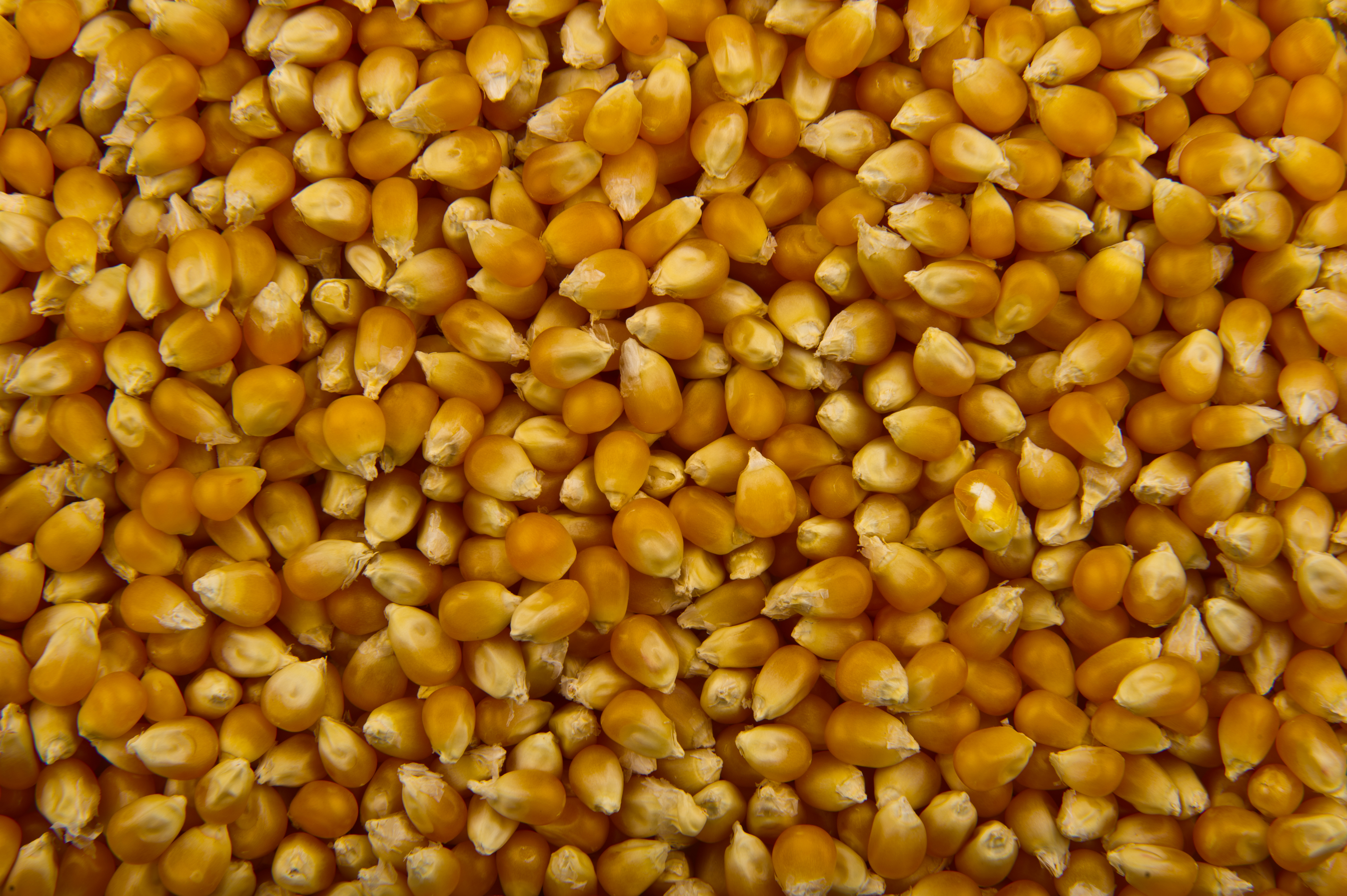
Unpopped popcorn

Popcorn is one of my favorite snacks.  And while I try to keep it healthy most of the time, every so often, there is a craving that can only be sated with buttery, salty popcorn!  A recent study confirms some of what has been found previously: that popcorn is good for you!  Dieters rejoice!  It is full of antioxidants and isn’t processed like some other snacks.  The article is quick to point out that popcorn, while beneficial, can’t replace fruits and veggies, and preparation unlike that of my craving-struck self is probably best.  Click below for video instructions on how to make popcorn in a wok, and review the post below via Foodimentary for more popcorn facts!  Want to grow your own in the garden this year?  It’s not difficult at all- just grow it, let it dry, and take it off the cob.  I grew some as a kid.  Watch out for squirrels!

Unknown's avatarFoodimentary - National Food Holidays

National Caramel Popcorn Day

Five Food Finds about Popcorn

  • Popcorn is made by boiling the water inside the corn kernel.  As the liquid water becomes gaseous, it occupies much more volume and therefore causes incredible pressure in the kernel that causes it to explode into being inside-out.
  • Unpopped popcorn kernels are called “old maids.”
  • Americans consume 17 billion quarts of popped popcorn annually, or 54 quarts per man, woman and child.
  • United States citizens consume more popcorn than any other country’s.
  • Being corn, popcorn that is unsalted, unbuttered, and otherwise unaltered is a very healthy snack.

Today’s Food History

on this day in…

1859 Massachusetts created the first Inspector of Milk position in the U.S.

1869 John Wesley Hyatt patented celluloid, the first synthetic plastic.

1896 Opening day of the first modern Olympic games. The last Olympics were held 1,500 years ago.

1930 ‘Twinkies’ go on sale for the first…

View original post 163 more words

Get Pissed Off (Eggs) for Easter!

Chow Ciao logo

Chef Fabio shows us a quick and easy dish for Easter brunch: Pissed Off Eggs. You don’t even have to be upset to eat it!

While not everyone is a fan of spicy, Chef shows us how to moderate the heat.  I’ve become more a fan of spicy flavors as I’ve grown older.  I remember avoiding spicy as a kid all the time.  Now I appreciate what it can do for a dish’s flavors and enliven the senses.

Enjoy!

Growing Your Own Pineapple

(Photographs of a real pineapple our grandparents grew!)

Spring is here- but it seems like it’s almost been summer here in Wisconsin for the last few days.  It’s supposed to cool down a bit, but it’s been warm enough to make me want to start gardening.  I planted some radishes and peas to hopefully get a few early vegetables.  They’re relatively cold-hardy and our garden is decently sheltered from a hard freeze, so I thought I’d take a chance.

If you are looking for a unique (and cheap!) plant project for this year- try growing a pineapple.  Depending on your location, you may have to start this inside for now, but eventually you can put it outside to bask in the sunshine.  I’ve had one growing for a while, and consistently take it inside over the winter, and it has persisted in our basement, with sufficient light, of course.

Pineapple plants don’t need a lot of water, and they’re fairly easy to take care of.  All you need to start one is a pineapple top from a grocery store pineapple (yes, it’s that easy!).  It just gets discarded otherwise, anyway.  I’ve read a few different directions for starting a pineapple top, and can say that the easiest way is to simply twist the top from the pineapple.  You can trim off a little bit of the fibrous pineapple core at the bottom if it is stuck to the top, but do not actually cut into the pineapple top “stem”. All you need to do is peel off a few of the bottom leaves until you see some brown rootlike buds close to the stem.  These will eventually be your pineapple’s roots.  Some directions will recommend specific types of soil, but I’ve had decent luck with basic potting soil.

Just push the top into the soil slightly, so the root buds can grow into the soil.  Then just water and let it grow!  Pineapple plants love sun.  The pictures above show just how large a plant can get- this one was kept inside in a sunny spot.  (It was nicknamed “Killer” due to its pointy leaves!)  Once the plant is large enough,  (this may take years) you can force the plant to grow your very own pineapple!  It may flower of its own volition, but there are no guarantees.  The easiest way to have it flower is to place two apples in the pot with the pineapple plant and seal the whole plant in a garbage bag for a week or so.  The gas the apples give off as they ripen can make the plant flower.  The flower stalk will then become your eventual pineapple. The fruit will be smaller than the one you originally purchased from the grocery store.

The growth of the flower stalk and pineapple may take a while longer, but you’ll never have a fresher pineapple.  Make sure to give it enough time to ripen.  It’s a fun project and easy to do, since pineapple tops are typically discarded anyway.

One potential problem is that the center of the stem may rot.  If this happens, the center of the leaves (where new growth originates from) may turn brown.  It is possible you may need to start over, but once when this happened, the plant started some new growth off to the side of the original plant.

Good luck!

Here are some pineapple-growing resources that I found useful.